Cabinets of Wonder — Professor Emily Conrad
Field Expedition: The Chinese in America Museum
Focus: Interpretive Text
I tried to walk into the wrong side of the Museum, I saw a class full of kids and they stared at me. I knew the museum extended through the building, so I walked around and tried the other side. The attendant at the desk, a middle aged woman, told me first thing, just so you know, there is a ticket price. It's $10 and $5 for students
I told her I was a student, she asked for my ID, and then how nyu was. I said it's great, I'm in the best program in the world because I'm here for an assignment observing exhibit design. Until this moment, I had been getting a vibe from her like, why are you here? I noticed then that the students from before were out and about running around writing on their assigned papers. They were about in middle school. I was the only unaffiliated person there. The only solo visitor outside of the group.
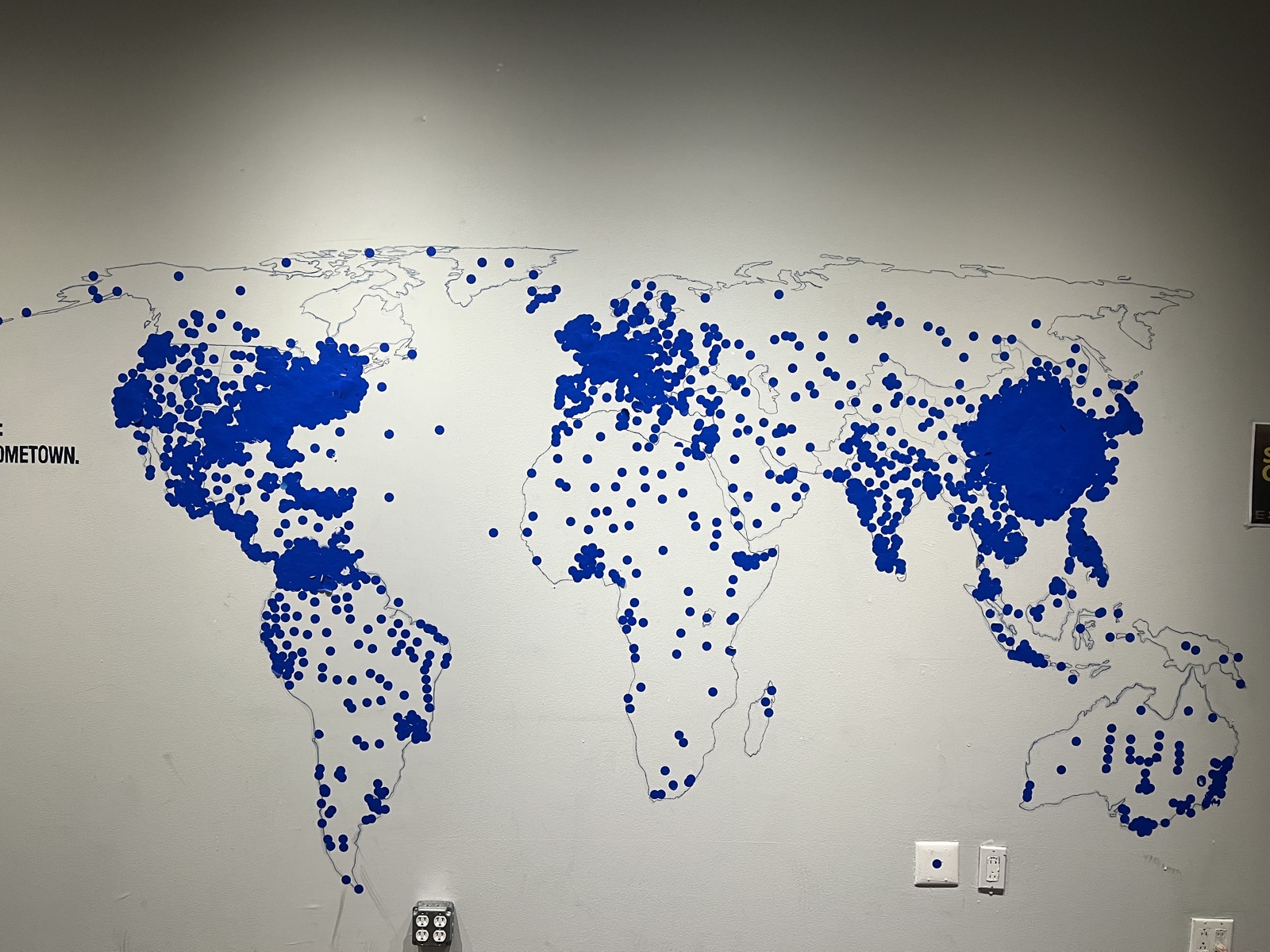
As I walked around examining the text, I was struck by how heavy it was, populating the walls. English and Chinese side by side increased the density. The size of the museum I discovered was small, and every bit of wall space is occupied with text or images. A motif repeated throughout the central wall of the museum, I found it easy to wayfind around the loop, is collections of pictures of Chinese Americans with names and text by their side, explaining their significance. The museum was structured as a loop starting with American contact with China following the opium wars and ended with how Chinatown was impacted via 9/11, and the impact this had on the burgeoning Chinatowns in Sunset Park. I was particularly interested to learn which regions of China had people settling in which neighborhoods.
I read through the prompts again, trying to figure out how to describe the gestalt of the place. For some reason, it felt apologetic? I can't describe it. The feeling of the history they presented was neutral and unperspectived. There were some artifacts, but it was mostly photos and text.
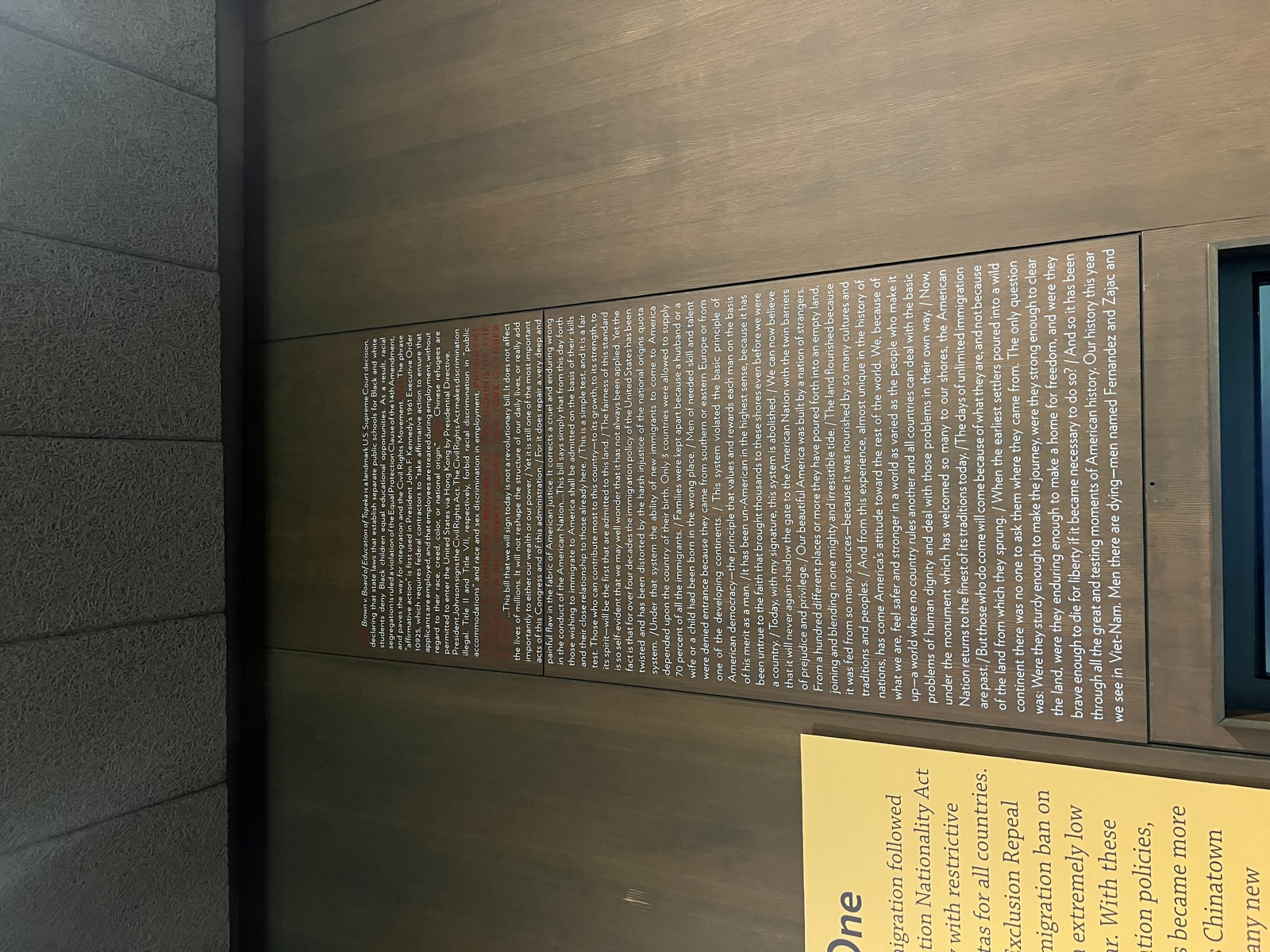
My reading experience culminated with this plaque. It was here seeing this and its mirror below which settled in my burnout. I had previously been reading as much as I could, but this broke me.
As I got to the back half of the museum, I found myself where I had previously tried to enter, in a build out of an apothecary or "chinatown store" as the plaques described it. The room was made to look like a shop with old style Chinese text on the boxes. I was here able to press silver buttons to hear recorded testimony from people who had lived in New York's Chinatown. Hearing the voices was vivid, and I recall a man talking about how the store owners would sleep in the basement and open up their doors at 7am because they had nothing else to do, their whole life tied up in their business.
The experiential build out was also the site of the most artifacts. One that caught my eye was a Chinese copy of "How to Win Friends and Influence People". I had no idea it was such an old book and had been translated so early. These physical objects from the past were the most impactful for my understanding of Chinese history in America.
Reflecting on the visit, I think it scaffolded well in terms of a chronological history of the life of Chinese people in America. It would be ideal to visit with one other person. And perhaps it would have been better to have more vocal testimonies and artifacts. As I walked out, the woman who I had interacted with before asked me if I got enough for my assignment and how I felt about the experience. I mentioned that it was a lot of text, but I liked the Chinatown store in the back. She said it was her favorite part too.